Monday, 17 November 2014

November pruning of trees and shrubs

You might think that now it’s November, you can take it easy in the garden apart from the occasional tidying up of leaves and mulch. Your work isn’t done yet, though. It’s true that by this time of the year, the garden is pretty much dormant, but this actually makes it a really good time of year to prune back many popular garden plants.


It’s perfectly fine to prune many plants throughout the dormant season. In fact, it can even be easier to do, because as soon as the leaves have you can see the shape and prune back to it. If you’ve planted any new trees recently, prune them back now and remove any damaged growth. This will help to balance the shape of the canopy. You could also take off any damaged or lop-sided growth
from established trees.

It’s not too late to complete any leftover pruning jobs you didn’t get around to in October and get them sorted ready for the winter. If you haven’t managed to prune back any of your winter-stemmed shrubs, they can still be cut back at the beginning of November. Prune them back hard and cut all of the previous year's growth to around 1-2cm.

You can also safely prune back some of the shrubs that would traditionally be cut back hard in early spring. Doing the work early can benefit them, as it helps to keep the plants’ larger and more brightly coloured young foliage – think about doing this to plants like such as smoke bushes and elders. If you don’t want to lose any of the bushes’ height, you could always leave a few of the branches untouched over the winter.

Don’t be tempted to prune back any spring-flowering shrubs like forsythia just yet though – keep an eye on them and wait until they have finished flowering, otherwise you’ll miss out on this year’s display.

If you have lavender in the garden, lightly cut it back so that they don’t grow back too woody. The same applies to curry plant and cotton lavender plants. Prune existing roses right back by about half to prevent 'wind rock.'

Take off any frost damaged shoots from evergreens that have already been damaged by cold weather, and then remove any reverted green shoots on hardy variegated evergreens. Keeping everything pruned back and tidy over winter will ensure that in spring you have a garden to be proud of.

Tuesday, 28 October 2014

Keep the wildlife happy over the winter

You have to feel sorry for the garden wildlife – the cold winter months are a harsh time for birds and animals, who may struggle to find food and water. Here are a few tips for keeping the birds and more happy over the colder seasons.


One of the best ways to keep your garden birds well fed is to put out fat balls for them in wire cages (not the plastic bags) You can make your own by melting ordinary suet into moulds – you can use things like a log with a hole drilled into it or even a coconut shell if you have one. Try making the balls from different recipes, too, so that you’ve got something for all the different birds. Finches like berries, tits like insect cakes and starlings will go mad for peanuts.

Add some seeds too – birds need these to help them get a balanced diet, and smaller birds also like to munch the seeds from sunflower heads if you have any. Fill a wire mesh feeder with nuts and/or seeds and place them around the garden. If there are no marauding cats around, you could also add some seeds to a wire mesh ground feeder; robins love them.

Thrushes and blackbirds will soon clear up any over-ripe apples, and like leftover fruit and raisins, so you can also add those to the ground feeder.


Looking after other creatures

Small animals can be overlooked in winter as they crawl into what they think are cosy places to hibernate. For this reason, always check compost heaps and bonfires for sheltering and hibernating animals, like hedgehogs, toads and frogs.

If your pond ices over, melt a hole in it so that wildlife can drink, and also get in and out of the water. The best way to do this is by sitting a saucepan filled with hot water on the ice to melt a hole, rather than simply tipping hot water onto it, hitting or cracking the ice which can create harmful shockwaves.

Put out a shallow container of water for birds and animals who need access to it.Leave herbaceous and hollow-stemmed plants unpruned until the winter months have passed, so that animals can shelter in them during the colder periods.

These tips should make sure that your garden is a welcoming safe haven for any wildlife that makes its way there this winter!

Monday, 20 October 2014

Hardy Winter Plants...


Cold weather can kill off even the toughest garden plants, as the cold causes the water in plant cells to freeze, damaging the cell wall. Even hardy plants and evergreens can be damaged by severe cold weather when soil becomes frozen. Plants die from lack of moisture too, when the ground freezes and they can’t take up water. Keep a close eye on your plants to avoid losing them to plummeting temperatures!

Autumn is a good time to plant flowers ready for spring, and some of our favourite plants will even produce a flower or two during the winter if it’s mild, and will give your garden a big burst of colour when spring arrives.

Try adding a few of these bedding plants in the next month or so, and wait for a bright and colourful spring...

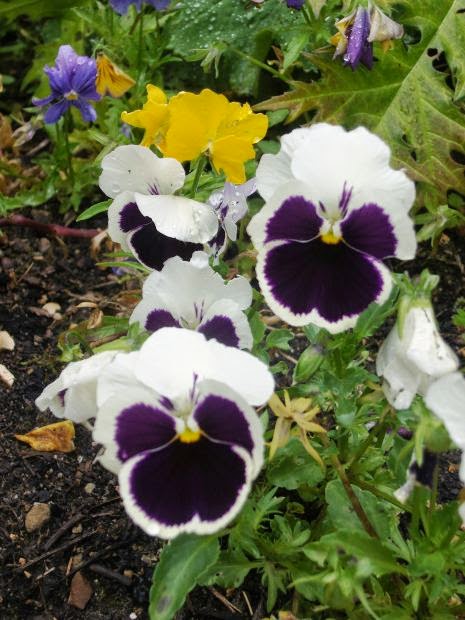
1. Pansies
Pansy plants bloom longer than any other winter flowering bedding plant, so if you need a splash of colour in your flower beds, borders or hanging baskets, invest in some pretty winter-flowering pansies. Grow some in a sunny or partly shaded parts of the garden, and make sure you dead-head them regularly to keep them flowering.

2. Violas
These produce lots of little dainty flowers, and are just as versatile as pansies. Great for hanging baskets, some varieties even have a lovely fragrance.

3. Primroses
Modern varieties of primrose start flowering from mid-winter onwards, and they are available in a range of colours to brighten up your garden. Primroses work well in borders and bedding, and can also be added to window boxes for a bit of colour on a dull day.

4. Polyanthus
Polyanthus are colourful and long-lasting, which makes them superb winter bedding plants. They also suit baskets and boxes.

5. Wallflower
These smell gorgeous and look lovely in the garden, when they flower. Although traditional varieties tended to flower in spring, modern variations also have a floral display in autumn, which can last a while if carefully tended.

6. Stock
These are always popular in for winter, with their large, ruffled, fragrant floral spikes which appear from mid-spring through to mid-summer. During winter, they show a rosette of leaves which bursts into bloom in spring.

7.Forget-me-not
A great partner to spring bulbs, Forget-me-nots are traditionally blue, but also look gorgeous in pink and white, self-seeding to give the garden an almost permanent display.

8. Cyclamen coum
A true winter-flowering plant, Cyclamen coum is a colourful addition to your garden even during the cold January and February weather. Cyclamen has dainty flowers and marbled leaves, and the blooms will inject a welcome splash of pink into your winter garden.

Don't forget our gardening services!

Wednesday, 1 October 2014

What to do in October


October is likely to be your last chance to get any real work done in the garden before the weather takes the decision out of your hands. It should still be reasonably warm unless we get hit with a really early winter, so get the gardening gloves out and get the last minute pre-winter jobs done.

Some plants don’t survive cold days and even colder nights, so if you have any delicate house plants outside that have been getting the benefit of late summer sunshine, bring them indoors now and avoid a surprise frost ruining them.

 
If you have a greenhouse, delicate plants will be fine in there, if not, take them indoors or get them under shelter if possible. You might want to acclimatise them slowly; if it’s warm you can leave half-hardy perennials until the end of October, but in frost-prone areas it’s best to bring them under cover, or into the shelter of the building, early in the month.

Give the perennials their last cut of the year; trim everything back ready for spring. Prune plants like climbing roses right back and get shrubs looking neat and tidy.

Give the lawn its last cut before winter, and tidy up leaves and foliage that have built up in early autumn. Raking the leaves up prevents them from browning the grass, as well as generally making the garden look tidy! You can save some of the leaves for mulch if you like, which you can put over borders to help keep soil from getting too cold. As a finishing touch, you could also give your lawns a feed; this can help to to stimulate root growth and is well worth it for on lawns that get a lot of wear over the spring and summer.

Keep clearing the leaves up all through the winter so that you keep the lawn looking healthy. Just add them to your mulch collection and they’ll serve a useful purpose instead of cluttering up the garden.

Get planting done ready for next year; anything that you plant at this time of year will hopefully benefit from time over the winter to take root. Evergreens can dry out if you plant them in exposed areas over the winter though, but if you’re happy to carry on watering them even when it’s cold outside, it’s also worth planting those.

Monday, 15 September 2014

Grass seeding season is coming to an end


It’s that time of the year again; time to start thinking about seeding your lawn before it gets too cold and you have to leave it until next spring.

Technically, you can get away with sowing your grass seed until October if you’re lucky, but it’s best to get the task completed well before the end of the season to avoid any inclement weather that might catch you unawares and cancel out all of your hard work.

If we’ve been lucky enough to have unusually dry weather through to September, make sure that after seeding, you keep the seedbed moist until the grass has grown to 6cm.  Keep it watered with a fine spray rather than a high pressure hose that can displace your newly planted seeds.

Many garden experts recommend waiting until September before sowing grass seeds because it makes it easier to spot germinated weeds and get rid of them, and also the weather will be cooling down so you won’t need to water the seeds quite as much as if you sow them in spring or summer. The ground should still be fairly warm and moist which will give the seeds a good start before the winter sets in. If sowed early enough, by mid-autumn your grass seeds should have grown a decent root system which will hopefully keep them going throughout any difficult conditions over the winter months.

For a successful lawn, the soil needs to be warm enough to support the seed germination, so getting the grass seeding completed before the weather starts to cool down gives you a better chance of having an enviable lawn next summer. The optimal temperature for the soil is around 6-8 degrees as that’s the minimum temperature that’s needed for the seeds to germinate, in practical terms, this translates to an air temperature of 10 degrees or above.


Once you’ve sowed the seeds, keep an eye out for any weeds, which are always a menace in newly sown lawns. It doesn’t matter how high quality your chosen grass seed is, or how careful you are about getting your seed bed prepared, there will always be weeds waiting in the wings because they are already there in the soil. The best way to control any marauding weeds that germinate from the 'seed bank' in your lawn is to mow them out.

Friday, 29 August 2014

Driveway upkeep – common problems to look out for


Everybody wants to keep their driveway looking good – in many cases it gives visitors their first impression of your home, and is something that most householders take a lot of pride in.

If you want to keep your drive looking great for years to come, you need to put in the hours with maintaining it. Properly tending to it from the start will add to its longevity, reduce any potential repair costs and increase the value of your home.

The problems that are likely to crop up with a driveway, of course, depend on the material used to surface it.

One of the most commonly used materials is gravel, and the issues you might have include:

  • Potholes – It’s difficult to avoid the pothole effect in a gravel driveway, no matter how tightly packed the stones are. The weather and continuous traffic will take a toll. It can be tempting just to take stone from another area of the driveway and fill any holes with it, but in fact what this will do is cause the same problem to eventually occur in another part of the drive, no matter how carefully you take stones from different areas! We suggest keeping some gravel back when you have the driveway laid so that you have a supply to remedy any uneven areas that crop up over time.
  • Poor drainage – A driveway laid by a professional landscaper such as John Lessels Landscaping shouldn’t have any issues with drainage as this would have been organised at the start of the project. However, if you take on an already laid driveway, or lay your own, it’s something you could experience problems with at a later date. The first thing you might notice is erosion, leading to the deep ruts and potholes, and a loss of gravel. If the problems were caused by bad construction, you’ll probably need to call in an expert to install some sort of drainage system.
  • Loose stone – If the gravel doesn’t seem to stay in the driveway, not only is it annoying but it can also damage lawnmowers if you don’t spot it. We’d suggest edging an errant driveway to prevent the stones escaping all over the garden, which will look good as well as keeping the gravel where it should be.

For advice on driveway projects, contact the friendly team at John Lessels Landscaping and we’ll help you find the solution.


Friday, 15 August 2014

Common Garden Pests (and how to spot them)


It’s not just bugs and insects that lay claim to your beautifully tended garden – microscopic bacteria, fungi and viruses are all there, ready and waiting to make your bedding look sorry for itself and kill off your well watered plants.

It’s not all bad – a certain amount of pest activity does help to support the bugs and wildlife that does your garden good. Don’t be tempted to douse everything in insecticide; it may wipe out the bugs to begin with but it won’t stop neighbouring colonies of pests or diseases racing in to the area – which will now be free from their predators too!

Sometimes, things can get a little out of control, and action is needed. In the right conditions and with an abundant food supply, pests can multiply. Sometimes it’s seasonal, plants grow faster when the weather is better and insects like aphids love new spring plants to feast on. During the summer only female aphids hatch, and they can go on to give birth to live young within a week of being born themselves. One solitary aphid could turn into a huge colony within weeks.

If you decide on a chemical spray, ask advice from a garden centre on which one to use as they all have different properties and some are not suitable for gardens where pets are usually milling about. The problem with a chemical spray is that it can ruin the balance of a garden and it can take years to get it back.

Preventative measures are a better way to keep the pest population down.

Use pest- and disease-resistant plants wherever you can, especially with fruit and vegetables.
Grow a wide range of different plants and mix them up mixed together – this will stop pests and diseases from spreading so easily to nearby similar plants.
Encourage wildlife that kills off pests – ladybirds, spiders and other garden insects all help keep the pest population in check, as do garden birds.
Think about investing in traps and barriers where you can, to shield plants.
Get to know what your plants look like when they are healthy and growing as they should do. This helps you spot any problems before they become too well-established.

Designing your garden to be pest-resistant can be a project in itself; whoever said that gardening was easy? If you would like advice about landscaping your garden, the best places for certain plants and more, speak to the experts at John Lessels Landscaping and we’ll be delighted to help you with all your garden landscaping needs.