Wednesday, 7 January 2015

Winter Garden Jobs

If you want to make sure that your garden is looking tip top in the spring, a little effort is needed while it’s cold to keep things under control. They might not be growing very much, but what is growing, needs looking after.

Make sure that your shrubs, deciduous trees and fruit trees are properly pruned back over the winter. You should start off by removing any dead or diseased branches, and then you can carry out a little damage limitation for the winter cutting back any sections of the tree or shrub which seem to be rubbing against each other. Lastly, if you have any very long branches on any of your garden trees, cut them back by one third of their length.


Keep an eye out for any early vegetables that can be dug out; you don’t want them to go to waste. Also, give the soil in your vegetable patches a good digging over now, before it has the chance to freeze solid. Getting this task out of the way before the real cold sets in helps to expose any soil pests to hungry birds, and stops marauding weeds from taking hold. Dig over a small area of soil at a time with a small spade for the best effect.

Keep your lawn looking good all winter long by keeping the fallen leaves off it as much as possible. Sweep them up as often as you can over the winter, you can use them as mulch on flower beds so they don’t have to go to waste. Try to avoid doing your leaf tidying after a particularly heavy frost though – you should avoid walking on turf but when it’s frozen as it can damage it.

Indoor plants don’t need so much watering now it’s not very warm, so just keep an eye on them and make sure they don’t dry out indoors. Winter-flowering like poinsettias, potted azaleas and cyclamen brighten up many an indoor space but they do need some TLC; with most indoor plants the rule is that you should only water them when the compost has almost dried out. When you do water them, do it until the liquid runs from the bottom of the pot, then let any surplus drain away. Don’t leave the pots standing in water for long as more plants die from over watering than under watering!

Tuesday, 16 December 2014

How to stop your pond from freezing over winter

The weather forecasters can’t seem to agree on whether we’re in for a super cold winter or not, but it’s always good to be prepared for the worst, so if you have a garden pond or water feature, start thinking about winter prep before it turns too cold.

If you have a healthy amount of fish in the pond, you’ll want to take care of their welfare and avoid the pond freezing up over the winter.

If the temperature drops below 10 degrees, stop feeding them, as this prevents them from making waste products that can be processed by the plants left in your pond. There should be enough nutrients in the water for the fish to survive as they will be in semi-hibernation.

It’s not absolutely essential to remove your pond pump over the winter, and it can be a good thing in some cases because it helps to keep the surface of the water agitated and therefore free from ice. If there’s a period of especially cold weather on the way though, it’s advisable to switch it off while it’s extra cold as having it on can lead to drainage problems later on.

It’s advisable to move the pump closer to the surface of the water while you’re running it, so that the colder water at the very bottom of the pond doesn’t mix too much with the slightly warmer water nearer the surface.

It is essential to take out the pond filter over the colder months, simply because freezing water can damage it. The activity within the pond will have slowed down over the winter anyway so it’s not essential to have it running during winter.

It may well be worth investing in a good quality pond de-icer to help your fish survive over the winter period, if you’re expecting very cold weather and there’s a likelihood that your garden pond might freeze over. A de-icer works by leaving a small area of the pond free of ice, ensuring that any build-up of harmful gases is released out of the pond, rather than being trapped beneath the surface.

A heater is another option but they can also be very expensive to use; anything over 500 watts will guzzle power and cost a lot of money, so be aware before you invest in a pond heater.

Keeping the pond ice-free is down to careful preparation and vigilance over the colder part of the winter, but with a little effort your pond should make it through the winter unscathed...

Monday, 24 November 2014

Winter garden birds

You might not want to get outside in the garden when it’s cold, but the birds that visit your garden are there in search of food to keep them going throughout the colder months, so it’s a good idea to be prepared for them.

Some smaller birds have to eat almost a third of their own body weight in food every single day, so putting out lots of high energy food for them will really make a difference.

The top five birds that you’re likely to spot in your garden in winter are:

Robin
They are the face of many a Christmas card for a reason; robins are the most commonly spotted bird in UK gardens over the winter. They can occasionally nest in unusual and even unsuitable places, and in gardens they tend to favour dense hedges or creepers near to the ground. They are also quite partial to a nest box. They mainly eat insects like meal worms but will also appreciate fat balls and ground peanuts too.

Blue Tit
Although Blue Tits are usually woodland dwellers, they like to visit gardens and are common in urban areas and parks too. They like a garden where there’s a wealth of insects to eat, especially aphids. They are agile little birds and love to cling to a hanging feeder. They also love to make a nest box their home. To feed Blue Tits in your garden, put out sunflower seeds, peanuts and fat balls.

Blackbird
In the garden, blackbirds mostly feed on soil invertebrates like earthworms, so if your garden has plenty of flower beds and lawns you’re likely to attract them. Shrubs with berries also attract them in winter. Blackbirds like to nest in shrubs and hedges if the weather is mild they sometimes lay their eggs as early as February, so keep an eye out for them. Put out some kitchen scraps, especially raisins and other fruits.

Great Tit
These birds love to frequent gardens, parks and open spaces – in fact anywhere there’s a tree. They visit gardens to feed on mainly insects, and in winter they also like to forage for tree seeds. If you want to see them in the garden, entice them in with sunflower seeds, peanuts and fat balls.

Chaffinch
Chaffinches spend most of their time feeding on the ground, and you’ll often spot them under seed feeders or bird tables. They are creatures of habit and it’s not unusual to see the same birds returning to your garden for up to five years. They eat insects and small seeds and build their mossy nests in shrubs and hedges. To encourage them into your garden, give them seeds and peanut pieces.

Monday, 17 November 2014

November pruning of trees and shrubs

You might think that now it’s November, you can take it easy in the garden apart from the occasional tidying up of leaves and mulch. Your work isn’t done yet, though. It’s true that by this time of the year, the garden is pretty much dormant, but this actually makes it a really good time of year to prune back many popular garden plants.


It’s perfectly fine to prune many plants throughout the dormant season. In fact, it can even be easier to do, because as soon as the leaves have you can see the shape and prune back to it. If you’ve planted any new trees recently, prune them back now and remove any damaged growth. This will help to balance the shape of the canopy. You could also take off any damaged or lop-sided growth
from established trees.

It’s not too late to complete any leftover pruning jobs you didn’t get around to in October and get them sorted ready for the winter. If you haven’t managed to prune back any of your winter-stemmed shrubs, they can still be cut back at the beginning of November. Prune them back hard and cut all of the previous year's growth to around 1-2cm.

You can also safely prune back some of the shrubs that would traditionally be cut back hard in early spring. Doing the work early can benefit them, as it helps to keep the plants’ larger and more brightly coloured young foliage – think about doing this to plants like such as smoke bushes and elders. If you don’t want to lose any of the bushes’ height, you could always leave a few of the branches untouched over the winter.

Don’t be tempted to prune back any spring-flowering shrubs like forsythia just yet though – keep an eye on them and wait until they have finished flowering, otherwise you’ll miss out on this year’s display.

If you have lavender in the garden, lightly cut it back so that they don’t grow back too woody. The same applies to curry plant and cotton lavender plants. Prune existing roses right back by about half to prevent 'wind rock.'

Take off any frost damaged shoots from evergreens that have already been damaged by cold weather, and then remove any reverted green shoots on hardy variegated evergreens. Keeping everything pruned back and tidy over winter will ensure that in spring you have a garden to be proud of.

Tuesday, 28 October 2014

Keep the wildlife happy over the winter

You have to feel sorry for the garden wildlife – the cold winter months are a harsh time for birds and animals, who may struggle to find food and water. Here are a few tips for keeping the birds and more happy over the colder seasons.


One of the best ways to keep your garden birds well fed is to put out fat balls for them in wire cages (not the plastic bags) You can make your own by melting ordinary suet into moulds – you can use things like a log with a hole drilled into it or even a coconut shell if you have one. Try making the balls from different recipes, too, so that you’ve got something for all the different birds. Finches like berries, tits like insect cakes and starlings will go mad for peanuts.

Add some seeds too – birds need these to help them get a balanced diet, and smaller birds also like to munch the seeds from sunflower heads if you have any. Fill a wire mesh feeder with nuts and/or seeds and place them around the garden. If there are no marauding cats around, you could also add some seeds to a wire mesh ground feeder; robins love them.

Thrushes and blackbirds will soon clear up any over-ripe apples, and like leftover fruit and raisins, so you can also add those to the ground feeder.


Looking after other creatures

Small animals can be overlooked in winter as they crawl into what they think are cosy places to hibernate. For this reason, always check compost heaps and bonfires for sheltering and hibernating animals, like hedgehogs, toads and frogs.

If your pond ices over, melt a hole in it so that wildlife can drink, and also get in and out of the water. The best way to do this is by sitting a saucepan filled with hot water on the ice to melt a hole, rather than simply tipping hot water onto it, hitting or cracking the ice which can create harmful shockwaves.

Put out a shallow container of water for birds and animals who need access to it.Leave herbaceous and hollow-stemmed plants unpruned until the winter months have passed, so that animals can shelter in them during the colder periods.

These tips should make sure that your garden is a welcoming safe haven for any wildlife that makes its way there this winter!

Monday, 20 October 2014

Hardy Winter Plants...


Cold weather can kill off even the toughest garden plants, as the cold causes the water in plant cells to freeze, damaging the cell wall. Even hardy plants and evergreens can be damaged by severe cold weather when soil becomes frozen. Plants die from lack of moisture too, when the ground freezes and they can’t take up water. Keep a close eye on your plants to avoid losing them to plummeting temperatures!

Autumn is a good time to plant flowers ready for spring, and some of our favourite plants will even produce a flower or two during the winter if it’s mild, and will give your garden a big burst of colour when spring arrives.

Try adding a few of these bedding plants in the next month or so, and wait for a bright and colourful spring...

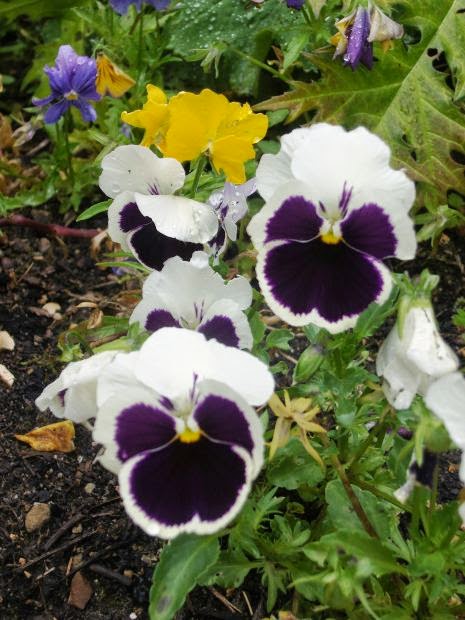
1. Pansies
Pansy plants bloom longer than any other winter flowering bedding plant, so if you need a splash of colour in your flower beds, borders or hanging baskets, invest in some pretty winter-flowering pansies. Grow some in a sunny or partly shaded parts of the garden, and make sure you dead-head them regularly to keep them flowering.

2. Violas
These produce lots of little dainty flowers, and are just as versatile as pansies. Great for hanging baskets, some varieties even have a lovely fragrance.

3. Primroses
Modern varieties of primrose start flowering from mid-winter onwards, and they are available in a range of colours to brighten up your garden. Primroses work well in borders and bedding, and can also be added to window boxes for a bit of colour on a dull day.

4. Polyanthus
Polyanthus are colourful and long-lasting, which makes them superb winter bedding plants. They also suit baskets and boxes.

5. Wallflower
These smell gorgeous and look lovely in the garden, when they flower. Although traditional varieties tended to flower in spring, modern variations also have a floral display in autumn, which can last a while if carefully tended.

6. Stock
These are always popular in for winter, with their large, ruffled, fragrant floral spikes which appear from mid-spring through to mid-summer. During winter, they show a rosette of leaves which bursts into bloom in spring.

7.Forget-me-not
A great partner to spring bulbs, Forget-me-nots are traditionally blue, but also look gorgeous in pink and white, self-seeding to give the garden an almost permanent display.

8. Cyclamen coum
A true winter-flowering plant, Cyclamen coum is a colourful addition to your garden even during the cold January and February weather. Cyclamen has dainty flowers and marbled leaves, and the blooms will inject a welcome splash of pink into your winter garden.

Don't forget our gardening services!

Wednesday, 1 October 2014

What to do in October


October is likely to be your last chance to get any real work done in the garden before the weather takes the decision out of your hands. It should still be reasonably warm unless we get hit with a really early winter, so get the gardening gloves out and get the last minute pre-winter jobs done.

Some plants don’t survive cold days and even colder nights, so if you have any delicate house plants outside that have been getting the benefit of late summer sunshine, bring them indoors now and avoid a surprise frost ruining them.

 
If you have a greenhouse, delicate plants will be fine in there, if not, take them indoors or get them under shelter if possible. You might want to acclimatise them slowly; if it’s warm you can leave half-hardy perennials until the end of October, but in frost-prone areas it’s best to bring them under cover, or into the shelter of the building, early in the month.

Give the perennials their last cut of the year; trim everything back ready for spring. Prune plants like climbing roses right back and get shrubs looking neat and tidy.

Give the lawn its last cut before winter, and tidy up leaves and foliage that have built up in early autumn. Raking the leaves up prevents them from browning the grass, as well as generally making the garden look tidy! You can save some of the leaves for mulch if you like, which you can put over borders to help keep soil from getting too cold. As a finishing touch, you could also give your lawns a feed; this can help to to stimulate root growth and is well worth it for on lawns that get a lot of wear over the spring and summer.

Keep clearing the leaves up all through the winter so that you keep the lawn looking healthy. Just add them to your mulch collection and they’ll serve a useful purpose instead of cluttering up the garden.

Get planting done ready for next year; anything that you plant at this time of year will hopefully benefit from time over the winter to take root. Evergreens can dry out if you plant them in exposed areas over the winter though, but if you’re happy to carry on watering them even when it’s cold outside, it’s also worth planting those.