Thursday, 22 October 2015

The best time to plant trees …

There’s no time like the present if you want to get your trees planted ready for next year – the best time for tree planting is between October and April.

Although it’s true that container-grown plants can be successfully planted at any time of the year, it’s easier to look after them if you plant in autumn or winter, as they will need less watering than if you wait until spring or summer.


If you want to plant root balled trees and shrubs you’ll probably find they are only available this time of year – plant them as soon as you get them home for the best results, or if that’s not an option you can try temporarily planting them in the soil so that the roots don’t dry out, but aim to get them properly planted as soon as you can.

How to plant trees and large shrubs


Plants need the right amount of air and nutrient, and to be in soil that has the right amount of moisture for optimum growth.  Preparing the soil before you plant will help to get the very best from your new shrubs and trees.

Loosen the soil so that it’s not compacted, and to improve the drainage, then add fertiliser and natural, organic matter to the soil to help the plants grow.

If the soil has a tendency to become waterlogged over the winter months, you could think about having proper drainage put into the garden, or a DIY alternative such as planting onto a slight slop if you have one. The optimum slope would be about 25-30cm high and 1 meter in diameter.

Planting Guide

First, take the plants out of their containers, and then spread the roots out so that you have an idea of their spread. Dig a hole that’s around up to three times the diameter of the root system, and no deeper than the roots.

  •  Break the soil up with a fork if the sides or base of the planting hole are compacted.
  •  Scrape away the top layers of compost for any container grown plants - the point where the roots flare out should be towards the top of the soil surface.
  •  Place the plant in the hole, with a stake if required (top-heavy or larger trees should be staked.)
  •  Refill the planting hole with soil between and around the roots, being careful to get rid of any pockets of air.
  •  Firm the soil gently, but don’t compact it so much that it becomes a hard mass.

Your trees and shrubs are now ready for the spring, and just need to be watered – especially if it’s dryer than usual or very windy over the winter. Keep the area free from weeds, and add mulch if you feel that the area is beginning to dry out too much or to prevent weed regrowth.

Tuesday, 18 August 2015

Weed control in the garden

Weeding takes up a lot of time in the average garden, and a bit like housework, it can seem like a pointless task because no sooner have you finished then you have to start all over again with new weeds popping up to taunt you.

There are ways to get the weed population under control though…

Let sleeping weeds lie

Your garden is chock full of weed seeds and there’s nothing you can sensibly do about it. Only the seeds in the top inch or two of soil will get enough light to germinate and start to make a nuisance of themselves, so only dig when you need to and once you’ve finished digging, add mulch to stop the onslaught.


De-weed your lawn by using a sharp knife with a narrow blade to slice dandelion roots and other pests; this severs their food source and saves the bother of digging them out.

Get Mulching

Mulch keeps the soil cool and moist, and stops light getting to weed seeds, so it’s an all-round good thing. Organic mulches are even better as they support insects that love to eat the weed seeds, thus giving you a natural and garden-friendly weed killer.

Weed at optimum times

Young weeds are easier to get rid of than established, older weeds, so get them while the conditions are good to stop them bedding in.  One good time to get your weeding gloves on is after a torrential rain session – it’s easier to wrench them out from the ground when it’s nice and damp.

When it’s dry, slice the weeds off just below the soil line and they will just shrivel up and die, especially if you use a sharp edged hoe to get at them.

Take off their heads

Chopping off weed heads is great for the garden, giving it short- and long-term benefits. It’s perfect for hardwired weeds that you can’t completely get at, and makes you feel better!

Cutting back the tops of perennial weeds slows down their reseeding, making them use up their food reserves, which stops them spreading all over your garden; for a while, anyway.

Don’t leave too much space

If you plant beds tightly together it reduces the chances of pesky weeds popping up, although they will still give it their best shot. The closer the plants you actually want to grow are to each other, the more shade there is and the less sunlight to get to weed seeds.

Friday, 24 July 2015

How to use decking

Decking is ubiquitous in any garden these days; it’s the modern answer to getting a bit more living space outside – or just not having to mow so much lawn! There are so many ways you can brighten up your garden with well-chosen decking; we’ve got a few for you to think about here.

Eating out is always popular at this time of year, and where better to have a cosy, relaxed meal than in your own garden? If you convert an area outside into a covered decking space you can make the most of the fresh air at any time of the year, and adding statement furniture gives your outdoor dining area a personal touch.

When it comes to decking there are so many options that you’ll be sure to find something that suits your lifestyle, budget and taste. If you need advice on what decking suits your needs and your particular garden, ask the experts at John Lessels Landscaping for expert help. With different types of decking that feature different patterns, wood stains and even eco-friendly options, the time for decking has never been better.

Casual garden dining

The perfect way to spend time in the garden, your decking area can be transformed into an outdoor entertainment space to create an outdoor eating area that can be used for entertaining or just relaxing with a cool drink in the summer. Add climbing plants to give the space a homely feel and you’ll want to spend as much time in your new outside cafĂ© as possible.

Decking your garden paths

Who says that a garden path has to be made from stone? For a funky, modern look you can replace
the concrete with attractive wooden decking and give your garden a neat, sleek look that sets it
apart.

Covered garden area

Another way to make the most of al fresco dining, but turning the decked area into a covered  ‘extra room’ means that you get the benefit of your garden all year round. Perfect for giving you another option for dining that can be used in summer and cooler times, and you can add outdoor heaters if you start to really enjoy fresh air eating.

Indoor-outdoor living

Create the illusion of extra space by tagging decking onto a dining room or living area that leads out
onto decking and a patio.  This makes the room look like one big space when patio doors are pulled
back and creates a lovely focal point for entertaining and relaxed living.

You could also add some platforms at different heights on larger decking areas to mark out the
lounging and eating areas.

For more ideas, talk to the experts at John Lessels

Monday, 6 July 2015

Gardening with Containers

Containers are a very versatile way of brightening up a garden or getting some growing done in a smaller garden. Perfect for growing herbs or flowers, they are a pretty addition to a garden; but they aren’t as easy to maintain as you might think as growing in a container can be hard on the plants – they need a little extra TLC to thrive.

The container is a space-saving way to grow shrubs, climbers, herbaceous perennials, fruit and vegetables, and with careful attention you can even successfully grow some roses in a container too.


Top tips for planting in containers


Most types of plant will respond well to being
planted between early spring and autumn; permanent plants do best when planted in early spring. Delicate plants are best left until after the last frost of winter – May is usually a good bet. If you’re planting to brighten up the garden in winter, though, opt for late summer or early autumn.


Choose your container

If you’re planning to leave your plants outside all year round, plant them in a frost-proof terracotta container – not just frost-resistant. Some frost resistant pots can crack when the temperatures drop. Find a container that’s big enough for the roots, but at the same time avoid putting a plant with a smaller root ball into a big container as they tend to become waterlogged when composted. Just increase the size of the pot if you feel it’s getting too big. You can also avoid waterlogging by putting the container up onto small blocks or bricks.

Planting your containers

Put your choice of drainage material at the bottom of the container, and then fill the rest of the pot with compost, just leaving enough room to arrange the plants on the top.

Take the plants out of their pots, gently tease out the roots and add a bit more compost to the root balls. Add the plants to the container, making sure that the root ball is level with them with the top of the compost. Once they are in place, firm up the soil around them and water well.

Always keep a gap of about an inch (2.5cm) between the top of the soil and the top of the container, so that the water can soak in properly.

Maintenance

Start feeding the plants around four to six weeks after planting (unless you’ve opted for compost with a slow-release fertiliser included.) Carry on throughout April – September with a general purpose feed, but stop over the winter months as it’s not necessary.

To make sure that the compost doesn’t dry out, check it every day and water regularly between April and September. If the weather is warm, you might have to water twice daily. Make sure that you dead head flowers regularly to encourage growth of new ones.Following these tips should give you baskets, tubs and containers to be proud of.

Re-pot in early spring. For permanent displays, repotting is needed at least every two to four years to prevent problems with drying out and waterlogging. In between, top dressing (scraping off the old compost from the top of the container and replacing with new) is useful

Reduce watering during winter months

Ideally, prevent the compost from freezing by moving containers under cover or covering them in bubble-wrap. In very wet periods, move pots under cover to prevent the compost becoming sodden.

Monday, 29 June 2015

There’s something a little bit special about growing your own fruit. It always seems to taste better somehow, and there’s no great secret to it; growing fruit in your garden is all about finding the right spot and carefully nurturing the plants until they reward you with juicy berries. If you already have a vegetable patch you could allocate a small area to growing some strawberries, or even make them a feature of an ornamental garden.

You’ll find that a lot of fruit trees grow well against a south-facing wall and with a bit of patience you can even train them to grow into various shapes.

Strawberries

You’ll get the best results from growing strawberries if you replace your plants every three years, and always plant new crops in late summer/early autumn. When you replace your plants, don’t plant the new one in exactly the same place, and always plant strawberries in a warm sunny spot with well-drained soil.

Water your strawberries regularly and put strawberry mats or just soil underneath to protect them. You might also need to cover them with netting as they start to appear, unless you want eagle eye garden birds to pinch all the best ones...


Raspberries

Home grown raspberries are absolutely divine and well worth trying to for yourself. You can go for summer fruiting types which give a short sharp crop all at once, or the longer-lasting autumn fruiting varieties which keep going from high summer until it starts getting colder.

To grow the perfect raspberry you’ll need to find a sunny but sheltered spot in the garden in well-drained soil. Plant dormant raspberry canes in autumn or early winter at the very latest and cut them down to about six inches (15cm) as this will help to create a good root system. Tie them to a support so that they are nice and stable.

Raspberry canes need pruning back in late winter; cut them back down to ground level.

Currants

Black, red, and white currants all fruit in mid-summer. To get the best results you’ll need to plant them in late autumn into a rich soil – if your soil is acidic you’ll need to add lime to it for a decent crop. Once you’ve planted the bushes, prune the branches right back to the lowest bud – this encourages growth.

Protect your currants from spring frosts and also in windy conditions as they can be a little bit delicate. In spring, add a potassium and nitrogen rich fertiliser to boost growth.

With a little planning, you’ll soon be able to sit back and enjoy your summer fruits!

They all need regular pruning to keep fruit yields high. With mature bushes, prune out about a third of it each year. Cut out the oldest wood so that it encourages new vigour resulting in strong new growth which carries fruit the following year.

Tuesday, 9 June 2015

Synthetic turf – it’s come a long way!

Since it was first used back in the sixties, artificial turf has certainly changed a lot. Technology has made it possible – and desirable - to create good quality, durable artificial grass that looks and feels just like the real thing; with the added benefit of needing no watering and very little maintenance. It’s not just gardeners who are turning to artificial turf for their landscaping either; many athletes now prefer it to the real thing and say it gives a better playing surface than natural grass.

With frequent hosepipe bans a feature of the great British Summer, having an artificial lawn can be a bonus. The trend for no-water grass has been taking off globally, and is expected to continue as people become more aware of conserving water and not wasting resources. Just one square foot of natural grass replaced with turf can save more than 50 gallons of water per year, according to estimates.  A good quality turf can also last from 15-20 years, another factor that works in its favour. Synthetic grass fibres used to only be available in two types; monofilaments or slit-film tape.

Monofilaments are single strands while slit-film fibres are cut from sheets of polymers to a fixed width. This gave it the feel and look of a nylon carpet which was why it wasn’t quite so popular in the mid-twentieth century! These days, artificial turf is crafted from softer polyethylene fibres which make it a much nicer product, suitable for general use in landscaping and sport/play.

The business is growing fast, too, so expect to see more synthetic turf in the future.  Figures from the US alone suggest that in 2014 the synthetic turf industry was worth $1.1 billion with a projected annual revenue growth from 2015-2017 of 13.1 percent, and the demand for synthetic turf is on the increase everywhere, with Europe being one of the biggest markets.

When you’re looking for good quality artificial turf for sporting  surfaces, project, check that your supplier is a member of the Sports and Play Construction Association, SAPCA, is the trade organisation for the UK sports facility construction industry, and high standards in design and construction of synthetic turf pitches. SAPCA members are responsible for most of the synthetic turf pitches laid in the UK, everywhere from parks, community clubs and schools, to professional clubs, and pitches for high-level national and international competition.

Tuesday, 26 May 2015

Playground and sports safety surfaces

Safety is at the front of everyone’s mind when designing a play area or a sports ground, but it’s also important to think about the look and design of any area before you decide what you’re going to use to surface it.

Adding a safer surface to play areas helps to avoid nasty injuries and cushions the impact of falls – which can’t ever be avoided! To meet the requirements of BS EN 1176 and BS EN 1177, it’s recommended that impact absorbing surfaces in play areas should be installed beneath all equipment that has a free height of fall greater than 0.6m.

All the different options for surfaces have different levels of safety, functional characteristics, maintenance requirements and of course cost. 

So, what are the different types of surfaces you might consider for a play or sports area?


Wet Pour

 This is a continuous, hard-wearing and slip-resistant rubber surface that gives a high quality finish and needs very little maintenance once it’s down.  Once the free height of fall has been worked out, the wet pour can be laid underneath any playground equipment to give a good impact absorber.Wet pour can be a very versatile type of surfacing as it’s available in a range of colours and can be adapted for sports surfaces and play areas, with logos, shapes and floor games like hopscotch easily added.

Loosefill

Loose-fill surfacing is also great for absorbing impact in play and sports facilities, and has the advantage of being easy to match with play units and equipment so that it gives a natural look too. It also costs less than tiling and wet-pour surfacing, but there’s more maintenance involved as it needs
topping up and regular raking.

Popular loosefill surfaces are recycled timber and bark, and sand is a traditional style loosefill option that’s still favoured by many play areas.

Tiles

Rubber and Matta tiles look great in play areas, and with some designs they can be adapted so that weeds are kept at bay and grass grows through the tile to keep the area looking natural.

Rubber tiles can give a finished surface with similar properties as wet pour, and are usually laid onto a concrete base. Rubber tiles are available in a range of colours for sport and play areas.

Matta tiles are an open mesh style tile which is made from pre-fabricated, interlocking recycled rubber & PVC tiles.

Bonded Rubber Mulch

This is a type of solid rubber shred which is made from recycled rubber and then coloured. The rubber shred is then bound with a specially formulated PU binder. Bonded rubber mulch is laid onto solid, compacted ground with a membrane and is designed to follow the contours of the existing surface, so is similar to wet pour but often works out as a more cost-effective option.

If you’re looking for advice on the best surfacing for your play area or sports ground, contact one of
our team.

Monday, 27 April 2015

How to be a green gardener

Most gardeners have a healthy respect for nature and the environment, but there are always things we can do to make sure that they are as ‘green’ as possible. Here are some of our favourite ways to turn up the eco-friendly in your own back garden…

The first and most obvious way is to make sure that everything you use in and on your garden is organic, wherever possible.  If you cut out the chemicals, pesticides, weed killers and other nasties, swap fertilisers for natural; manure and make the most of crop rotation, it’s much better for the health of your garden, the organisms that inhabit the soil and all the wildlife that you want to encourage.


Make your own compost – it’s good for cutting down on household waste and also means that you won’t need to use garden chemicals.  This leads us nicely into fruit and vegetable patches – compost them well with home-made compost and hopefully you can grow your own crops, which is great for the environment and cuts carbon emissions as it means you’re not relying on transporting food in from overseas. Home grown produce also tastes fantastic and it saves you money too.

Keep the bees happy – they aren’t just cute little creatures that pollinate the flowers but they are essential to the eco-system and we need to encourage them into the garden and look after them! If you want to tempt the bees into your garden, bee-friendly plants like poppies, lavender and sunflowers are a big draw to these helpful insects, and give them a nice varied diet.

Leave some areas in the garden to grow naturally, provide wood piles and even leave the nettles to grow – they give local hedgehogs and butterflies a home, as well as being a good place for some species of beetle to nest. The birds will love the extra beetles – and birds are a great addition to any eco-friendly garden, acting as natural pest control. Invest in a few bird feeders to attract smaller birds like sparrow and robins, Bird feeders can help garden species like sparrows, tits and robins. Collect your rainwater in a water butt, and use water such as bathwater or sink water that’s already been used in the bathroom or kitchen to water the garden; this saves water use and money as well as energy.

It’s easy to make your garden into a wildlife friendly ‘green’ space, with a little thought and a few less chemicals.

Tuesday, 21 April 2015

Decking for summer - Some design ideas

The perfect garden needs to have comfortable areas in which you can relax, soak up the sun (well, we can but hope), entertain and generally enjoy the outdoors.  Adding some stylish decking is great for al fresco socialising as well as giving the impression of more room to the house.

If you’re drawn to a classic feel and look, you can create a gorgeous al fresco dining area by adding decking and then surrounding it with raised flower beds. Wooden decking is popular and also eco-friendly as it lets water drain through to the soil underneath. You can use this style decking to make your garden look longer too, by using narrow boards that run end to end.

To add to the ambience and relaxed dining, you could also add an outdoor sofa which gives you the option of chilling out in the garden even if it’s a bit cooler or damper. If you’re buying an outdoor sofa to sit on your decking, though, we’d advise you to think about adding an all-weather ­canopy for obvious reasons!

Add a more sophisticated evening feel with subtle lighting that will enhance the whole garden. There are so many different lighting ideas to choose from, you really can experiment with whatever you think will look good. Try adding a few mounted spotlights, candles and lanterns, even ostentatious chandeliers can work – try wrapping overhead beams  with greenery and pretty flowers, strings of ornamental lights and tiki torches in surrounding borders.


You can jazz up existing decking with one of the attractive stains and paints available. There’s a whole range of products on the market that can be used to stain wood, so check out your local garden centre for inspiration. This gives you a really good way to enhance decking; and also introducing more colour into your garden. When you’re looking for the perfect paint, imagine how it will look with the existing garden, for example you could match it to existing fencing and furniture or deliberately go for a contracting look.

Another way to brighten up an area of decking is by quite literally mixing it up a bit. You can make a feature out of it by mixing up the widths and styles of the boards and coming up with your own unique design.

If you don’t want a decked area right next to the house you could even think about adding a freestanding area which can give you a ‘den’ – or a secluded reading and thinking place right at the bottom of the garden.

If you are looking for ideas and want to talk over inspiration with the experts, come and chat to the expert landscapers at John Lessels.

Tuesday, 17 March 2015

Minders for March – what to do in the garden this month

March is always a difficult one; sometimes it really feels like spring has sprung and you can get out in the garden and start getting things spick and span. Other years you’re faced with driving rain, wind or even snow all the way through to April, so with that in mind, a March to do list depends very much on the conditions you’re presented with!

Hoping for the best, if your lawn has been left uncut since the beginning of winter, it’s about time for its first cut of the New Year. As soon as the weather allows, and the lawn is dry enough, get out there and trim it up; you’ll be surprised at how much of a difference a tidy, neat lawn can make to a garden that’s suffering from winter hangover.

If you have any Cornus (Dogwood) plants in your garden, get them cut back in late March so that you get the colourful stems these woody plants are well known for. They are a hardy plant that can thrive in damp conditions (usually that’s just as well) but they do need a little TLC at this time of year. Leaving the pruning until late March/early April means that you still get the pretty winter display but without the negative consequences from cutting off any new growth.

Keep these weeds at bay – hopefully there won’t be too much weed growth if you’ve managed to keep on top of things but you’ll probably find that you look out at the garden one weekend and notice there’s been a proliferation seemingly overnight after a few days of nice weather. Nip it in the bud early and save yourself the work later, get the weeds while they are still young and haven’t taken hold yet!

 
While you’re there, it’s also a great time to plant your spring flowering bulbs – dahlia, gladioli and begonia are just a few flowers that will brighten up your garden later in the season if planted now.

If you have a pond, you’ve probably taken the pumps out over the winter to protect wildlife and water quality? It’s time for them to go back in now, as long as the threat of frost and ice has well and truly receded. Get them in as the weather starts to warm up ready for a new season.

If you have a greenhouse, it’s fine to start leaving it open to vent the growing plants inside as the chill wears off the weather, and you can happily potter in there or the shed, while top dressing your pots and containers with compost, ready for the warmer weather.

Enjoy the first rays of spring sunshine!

Monday, 9 March 2015

Native wild flowers in Scotland

While animals and birds are often quite rightly singled out for conservation projects, endangered plants often tend to be overlooked when it comes to preserving our natural wildlife. The Cairngorms Rare Plants Project aims to redress that balance and has already gone some way towards protecting
some of Scotland’s rarest native flora.

The project was launched in March 2010 to take action to help protect four threatened plants in the Cairngorms National Park, and one part of the project, aimed at protecting the twinflower - one of Scotland’s most endangered and iconic wildflowers - was even shortlisted for a RSPB Nature of Scotland Award in 2013.

The twinflower, which thrives in native pine woodlands, has been declining in number for some time, mostly because the patches of plants are too far apart for them to successfully pollinate. The plan, quite simply, was to move them closer together and let nature take its course.


The team used a pioneering new translocation method, developed by the team behind the Cairngorms Rare Plants Project which involved very carefully moving selected plants closer together, making it easier for them to cross pollinate and produce seeds. It’s hoped that moving the existing plants closer together will help to ensure the long term survival of this pretty native bloom.

Justin Prigmore, Cairngorms Nature Officer explained: "The twinflower may only be small but it is one of Scotland’s most charismatic plants and the Cairngorms National Park is a stronghold for the remaining population”

The Rare Plants project was well supported locally and involved land managers working alongside ten key conservation partners, rangers and local volunteers.

"It is an excellent example of how groups and individuals can come together to make a positive difference, which is what Cairngorms Nature is all about," said Andy Wells, Chair of the Cairngorms Nature Strategy Group.

Signs were good last summer, as the first transplants survived the winter – some of them even flowered at the beginning of July 2013. The transplanted plants may not have produced a large number of flowers, but quite a few of them were showing signs that they had set seed, so things are looking good for this summer!

Tuesday, 10 February 2015

Perfect Paving

There's more to laying a new driveway or path than you think with a huge range of products to choose from. We use the Stonemarket product range, which has a wide range of styles to choose from, but even before you start choosing your driveway style and material, there’s a lot you need to consider.

Things to consider when you plan your paving project:

• First of all, you need to be able to visualise what you're working with, so start by drawing out the area that you want to pave on some graph paper.
• Make sure when you're planning the project that if you're paving next to a wall, the paving will be at least 150mm below any damp course.
• To make sure that the paving drains properly, make sure that there's a gradient of at least 1:40.
• The right foundations are important: if your paving is going to be light use, and you're laying on solid, even ground, you can use 40mm sharp sand but if it's going to be in heavy use, opt for something larger.

Picking your perfect paving

When you’re choosing the paving for your driveway, the choices can be confusing. We work with Stonemarket because they cater for all needs and tastes, with product ranges that suit all installations.


Think about what you want from your paving; are you looking for a decorative effect or is wear and tear more of a pressing issue for you?

What about your existing garden? Is it a bit gloomy through lack of sunlight, or generally well-lit? If you want to brighten up a dark area of the garden, you could opt for a pale limestone to reflect the light and look elegant at the same time.

For a dramatic look, a darker sandstone, slates or granite can give you a really good effect. These paving materials actually absorb light, and work well close to foliage or flowers.

You can also change the character of a pathway with riven textures which help to create patterns of light and shade, these can add character to a larger driveway, or soften the look of a pathway in an older property. Being creative with irregular edges and paving patterns also helps to give your pathways an eye catching detail.

Stonemarket’s range of vitrified paving is great for outdoor use and comes in different colours. The range provides a reliable and low maintenance material that absorbs hardly any moisture, minimising the growth of moss and algae.

For advice on what will work for your property, come and chat to an expert at John Lessel.

Tuesday, 27 January 2015

How to choose the right fencing

What do you need to consider when you’re adding or replacing fencing on your property? Well, the obvious things are:

• Your budget
• How long it will take to erect
• The level of expertise needed (will you call in a professional?)
• It’s purpose; is it purely decorative or for security? Do you need privacy? Is it to keep the local wildlife out of your garden? Whichever your need, will dictate the best fencing for you.


Closeboard Fences

Closeboard fences are great if it’s privacy and security you’re looking for. Consisting of overlapping vertical feather edge boards which are nailed to horizontal rails and supported by posts, you will need to buy in the special notched posts and they have to be placed further apart than standard fence panels. They can be one of the more expensive types of fencing, but if you want security it’s a wise investment.

Lap Panel Fences

If you want to build your own fence, a lap panel fence is an easy one to start with. You buy the panels and simply attach them to wooden fence panels with special clips. The panels can also be slotted into concrete posts although this takes more than one person. They tend to look more4 rustic than a  closeboard fence, but still provide great security and privacy.

Composite Fence Panels

Composite wood fencing is popular because it’s a low maintenance option for boundary fencing. Although this type of fence can be pricier than a lap panel, it’s easy to look after and very durable. They don’t split or splinter and if installed by a professional they can have guarantees for over twenty years!

Trellis

Trellis fencing is often used to top an existing fence, and they can be extra security as they are too lightweight to support much weight, and would collapse if burglars tried to get over them. They also look attractive when used to support climbing plants. Trellis is handy for creating distinct areas and spaces within a larger garden, and if you want privacy, you can train plants along them – although this might take time.

Decorative Fence Panels

If you’re creating the perfect garden and want to decorate it with something a little bit individual, you could always opt for decorative fence panels, which come in a wide selection of interesting designs. Choose from curvy tops to a castle finish and really have fun with it – but be aware that decorative fencing doesn’t usually come cheap so it’s not a choice for you if you’re working to a tight budget.

For more advice on fencing, contact John Lessels Landscaping...

Monday, 19 January 2015

Keep your driveway in tip top condition this winter

Living in the UK, we never can tell whether we’re going to get a mild winter, an onslaught of rain and wind, or a freezing cold season with snow, ice and lots of frost. No matter what the weather throws at your garden, driveway maintenance is important for maintain your home’s curb appeal.


There’s also the issue of safety; nobody wants to injure slipping on ice or snow – either in or out of the car. If you’ve paid out for a driveway to be installed, or you’ve spent days building your own, you’ll want to keep it in good condition, too. Over the winter months this can present a bit of a challenge, but we have some top tips for you to help keep your driveway looking pristine whatever the weather.

• Make sure that your driveway will drain properly by creating edging along the sides. Go along the sides of the driveway and take away the soil all along, to a width of around two or three inches.

• Take the time to seal the driveway on a regular basis too; there are many products available that will help you to do this.

• Winter weather and conditions can play havoc with gardens – but try to keep the driveway as clear as possible from fallen leaves and any other debris. Invest in a leaf blower and/or pressure washer to keep the surface clean all year round, and if there are any spillages, especially oil or other chemicals, make sure these are cleaned up before they can cause any damage.

• Don’t use salt on a cement driveway in the winter, especially if it hasn’t been down for long. Salt can cause damage to cement, leaving unsightly cracks.

• Be careful when you’re removing snow from your driveway; it should be sturdy enough to withstand a shovel but even so, try not to go in too hard, which may scrape the cement or asphalt.
• Check your gutters and make sure they don’t drain directly onto the driveway.

• It also makes sense to move any trees or shrubs close to the driveway, if they are the type that might have roots that could eventually cause damage, by growing up from underneath.

These are just a few tips to keep your driveway in a great condition all through the winter.

Wednesday, 7 January 2015

Winter Garden Jobs

If you want to make sure that your garden is looking tip top in the spring, a little effort is needed while it’s cold to keep things under control. They might not be growing very much, but what is growing, needs looking after.

Make sure that your shrubs, deciduous trees and fruit trees are properly pruned back over the winter. You should start off by removing any dead or diseased branches, and then you can carry out a little damage limitation for the winter cutting back any sections of the tree or shrub which seem to be rubbing against each other. Lastly, if you have any very long branches on any of your garden trees, cut them back by one third of their length.


Keep an eye out for any early vegetables that can be dug out; you don’t want them to go to waste. Also, give the soil in your vegetable patches a good digging over now, before it has the chance to freeze solid. Getting this task out of the way before the real cold sets in helps to expose any soil pests to hungry birds, and stops marauding weeds from taking hold. Dig over a small area of soil at a time with a small spade for the best effect.

Keep your lawn looking good all winter long by keeping the fallen leaves off it as much as possible. Sweep them up as often as you can over the winter, you can use them as mulch on flower beds so they don’t have to go to waste. Try to avoid doing your leaf tidying after a particularly heavy frost though – you should avoid walking on turf but when it’s frozen as it can damage it.

Indoor plants don’t need so much watering now it’s not very warm, so just keep an eye on them and make sure they don’t dry out indoors. Winter-flowering like poinsettias, potted azaleas and cyclamen brighten up many an indoor space but they do need some TLC; with most indoor plants the rule is that you should only water them when the compost has almost dried out. When you do water them, do it until the liquid runs from the bottom of the pot, then let any surplus drain away. Don’t leave the pots standing in water for long as more plants die from over watering than under watering!

Tuesday, 16 December 2014

How to stop your pond from freezing over winter

The weather forecasters can’t seem to agree on whether we’re in for a super cold winter or not, but it’s always good to be prepared for the worst, so if you have a garden pond or water feature, start thinking about winter prep before it turns too cold.

If you have a healthy amount of fish in the pond, you’ll want to take care of their welfare and avoid the pond freezing up over the winter.

If the temperature drops below 10 degrees, stop feeding them, as this prevents them from making waste products that can be processed by the plants left in your pond. There should be enough nutrients in the water for the fish to survive as they will be in semi-hibernation.

It’s not absolutely essential to remove your pond pump over the winter, and it can be a good thing in some cases because it helps to keep the surface of the water agitated and therefore free from ice. If there’s a period of especially cold weather on the way though, it’s advisable to switch it off while it’s extra cold as having it on can lead to drainage problems later on.

It’s advisable to move the pump closer to the surface of the water while you’re running it, so that the colder water at the very bottom of the pond doesn’t mix too much with the slightly warmer water nearer the surface.

It is essential to take out the pond filter over the colder months, simply because freezing water can damage it. The activity within the pond will have slowed down over the winter anyway so it’s not essential to have it running during winter.

It may well be worth investing in a good quality pond de-icer to help your fish survive over the winter period, if you’re expecting very cold weather and there’s a likelihood that your garden pond might freeze over. A de-icer works by leaving a small area of the pond free of ice, ensuring that any build-up of harmful gases is released out of the pond, rather than being trapped beneath the surface.

A heater is another option but they can also be very expensive to use; anything over 500 watts will guzzle power and cost a lot of money, so be aware before you invest in a pond heater.

Keeping the pond ice-free is down to careful preparation and vigilance over the colder part of the winter, but with a little effort your pond should make it through the winter unscathed...

Monday, 24 November 2014

Winter garden birds

You might not want to get outside in the garden when it’s cold, but the birds that visit your garden are there in search of food to keep them going throughout the colder months, so it’s a good idea to be prepared for them.

Some smaller birds have to eat almost a third of their own body weight in food every single day, so putting out lots of high energy food for them will really make a difference.

The top five birds that you’re likely to spot in your garden in winter are:

Robin
They are the face of many a Christmas card for a reason; robins are the most commonly spotted bird in UK gardens over the winter. They can occasionally nest in unusual and even unsuitable places, and in gardens they tend to favour dense hedges or creepers near to the ground. They are also quite partial to a nest box. They mainly eat insects like meal worms but will also appreciate fat balls and ground peanuts too.

Blue Tit
Although Blue Tits are usually woodland dwellers, they like to visit gardens and are common in urban areas and parks too. They like a garden where there’s a wealth of insects to eat, especially aphids. They are agile little birds and love to cling to a hanging feeder. They also love to make a nest box their home. To feed Blue Tits in your garden, put out sunflower seeds, peanuts and fat balls.

Blackbird
In the garden, blackbirds mostly feed on soil invertebrates like earthworms, so if your garden has plenty of flower beds and lawns you’re likely to attract them. Shrubs with berries also attract them in winter. Blackbirds like to nest in shrubs and hedges if the weather is mild they sometimes lay their eggs as early as February, so keep an eye out for them. Put out some kitchen scraps, especially raisins and other fruits.

Great Tit
These birds love to frequent gardens, parks and open spaces – in fact anywhere there’s a tree. They visit gardens to feed on mainly insects, and in winter they also like to forage for tree seeds. If you want to see them in the garden, entice them in with sunflower seeds, peanuts and fat balls.

Chaffinch
Chaffinches spend most of their time feeding on the ground, and you’ll often spot them under seed feeders or bird tables. They are creatures of habit and it’s not unusual to see the same birds returning to your garden for up to five years. They eat insects and small seeds and build their mossy nests in shrubs and hedges. To encourage them into your garden, give them seeds and peanut pieces.

Monday, 17 November 2014

November pruning of trees and shrubs

You might think that now it’s November, you can take it easy in the garden apart from the occasional tidying up of leaves and mulch. Your work isn’t done yet, though. It’s true that by this time of the year, the garden is pretty much dormant, but this actually makes it a really good time of year to prune back many popular garden plants.


It’s perfectly fine to prune many plants throughout the dormant season. In fact, it can even be easier to do, because as soon as the leaves have you can see the shape and prune back to it. If you’ve planted any new trees recently, prune them back now and remove any damaged growth. This will help to balance the shape of the canopy. You could also take off any damaged or lop-sided growth
from established trees.

It’s not too late to complete any leftover pruning jobs you didn’t get around to in October and get them sorted ready for the winter. If you haven’t managed to prune back any of your winter-stemmed shrubs, they can still be cut back at the beginning of November. Prune them back hard and cut all of the previous year's growth to around 1-2cm.

You can also safely prune back some of the shrubs that would traditionally be cut back hard in early spring. Doing the work early can benefit them, as it helps to keep the plants’ larger and more brightly coloured young foliage – think about doing this to plants like such as smoke bushes and elders. If you don’t want to lose any of the bushes’ height, you could always leave a few of the branches untouched over the winter.

Don’t be tempted to prune back any spring-flowering shrubs like forsythia just yet though – keep an eye on them and wait until they have finished flowering, otherwise you’ll miss out on this year’s display.

If you have lavender in the garden, lightly cut it back so that they don’t grow back too woody. The same applies to curry plant and cotton lavender plants. Prune existing roses right back by about half to prevent 'wind rock.'

Take off any frost damaged shoots from evergreens that have already been damaged by cold weather, and then remove any reverted green shoots on hardy variegated evergreens. Keeping everything pruned back and tidy over winter will ensure that in spring you have a garden to be proud of.

Tuesday, 28 October 2014

Keep the wildlife happy over the winter

You have to feel sorry for the garden wildlife – the cold winter months are a harsh time for birds and animals, who may struggle to find food and water. Here are a few tips for keeping the birds and more happy over the colder seasons.


One of the best ways to keep your garden birds well fed is to put out fat balls for them in wire cages (not the plastic bags) You can make your own by melting ordinary suet into moulds – you can use things like a log with a hole drilled into it or even a coconut shell if you have one. Try making the balls from different recipes, too, so that you’ve got something for all the different birds. Finches like berries, tits like insect cakes and starlings will go mad for peanuts.

Add some seeds too – birds need these to help them get a balanced diet, and smaller birds also like to munch the seeds from sunflower heads if you have any. Fill a wire mesh feeder with nuts and/or seeds and place them around the garden. If there are no marauding cats around, you could also add some seeds to a wire mesh ground feeder; robins love them.

Thrushes and blackbirds will soon clear up any over-ripe apples, and like leftover fruit and raisins, so you can also add those to the ground feeder.


Looking after other creatures

Small animals can be overlooked in winter as they crawl into what they think are cosy places to hibernate. For this reason, always check compost heaps and bonfires for sheltering and hibernating animals, like hedgehogs, toads and frogs.

If your pond ices over, melt a hole in it so that wildlife can drink, and also get in and out of the water. The best way to do this is by sitting a saucepan filled with hot water on the ice to melt a hole, rather than simply tipping hot water onto it, hitting or cracking the ice which can create harmful shockwaves.

Put out a shallow container of water for birds and animals who need access to it.Leave herbaceous and hollow-stemmed plants unpruned until the winter months have passed, so that animals can shelter in them during the colder periods.

These tips should make sure that your garden is a welcoming safe haven for any wildlife that makes its way there this winter!

Monday, 20 October 2014

Hardy Winter Plants...


Cold weather can kill off even the toughest garden plants, as the cold causes the water in plant cells to freeze, damaging the cell wall. Even hardy plants and evergreens can be damaged by severe cold weather when soil becomes frozen. Plants die from lack of moisture too, when the ground freezes and they can’t take up water. Keep a close eye on your plants to avoid losing them to plummeting temperatures!

Autumn is a good time to plant flowers ready for spring, and some of our favourite plants will even produce a flower or two during the winter if it’s mild, and will give your garden a big burst of colour when spring arrives.

Try adding a few of these bedding plants in the next month or so, and wait for a bright and colourful spring...

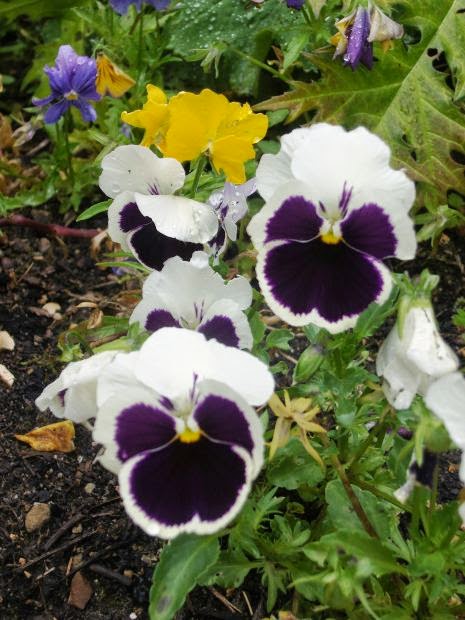
1. Pansies
Pansy plants bloom longer than any other winter flowering bedding plant, so if you need a splash of colour in your flower beds, borders or hanging baskets, invest in some pretty winter-flowering pansies. Grow some in a sunny or partly shaded parts of the garden, and make sure you dead-head them regularly to keep them flowering.

2. Violas
These produce lots of little dainty flowers, and are just as versatile as pansies. Great for hanging baskets, some varieties even have a lovely fragrance.

3. Primroses
Modern varieties of primrose start flowering from mid-winter onwards, and they are available in a range of colours to brighten up your garden. Primroses work well in borders and bedding, and can also be added to window boxes for a bit of colour on a dull day.

4. Polyanthus
Polyanthus are colourful and long-lasting, which makes them superb winter bedding plants. They also suit baskets and boxes.

5. Wallflower
These smell gorgeous and look lovely in the garden, when they flower. Although traditional varieties tended to flower in spring, modern variations also have a floral display in autumn, which can last a while if carefully tended.

6. Stock
These are always popular in for winter, with their large, ruffled, fragrant floral spikes which appear from mid-spring through to mid-summer. During winter, they show a rosette of leaves which bursts into bloom in spring.

7.Forget-me-not
A great partner to spring bulbs, Forget-me-nots are traditionally blue, but also look gorgeous in pink and white, self-seeding to give the garden an almost permanent display.

8. Cyclamen coum
A true winter-flowering plant, Cyclamen coum is a colourful addition to your garden even during the cold January and February weather. Cyclamen has dainty flowers and marbled leaves, and the blooms will inject a welcome splash of pink into your winter garden.

Don't forget our gardening services!